
How custom resin statues are made: from 2D art to a production run
A practical production guide for turning original or licensed 2D art into a sampled, painted and packed custom resin statue run.
Published · By Ethan, Amoy Figures
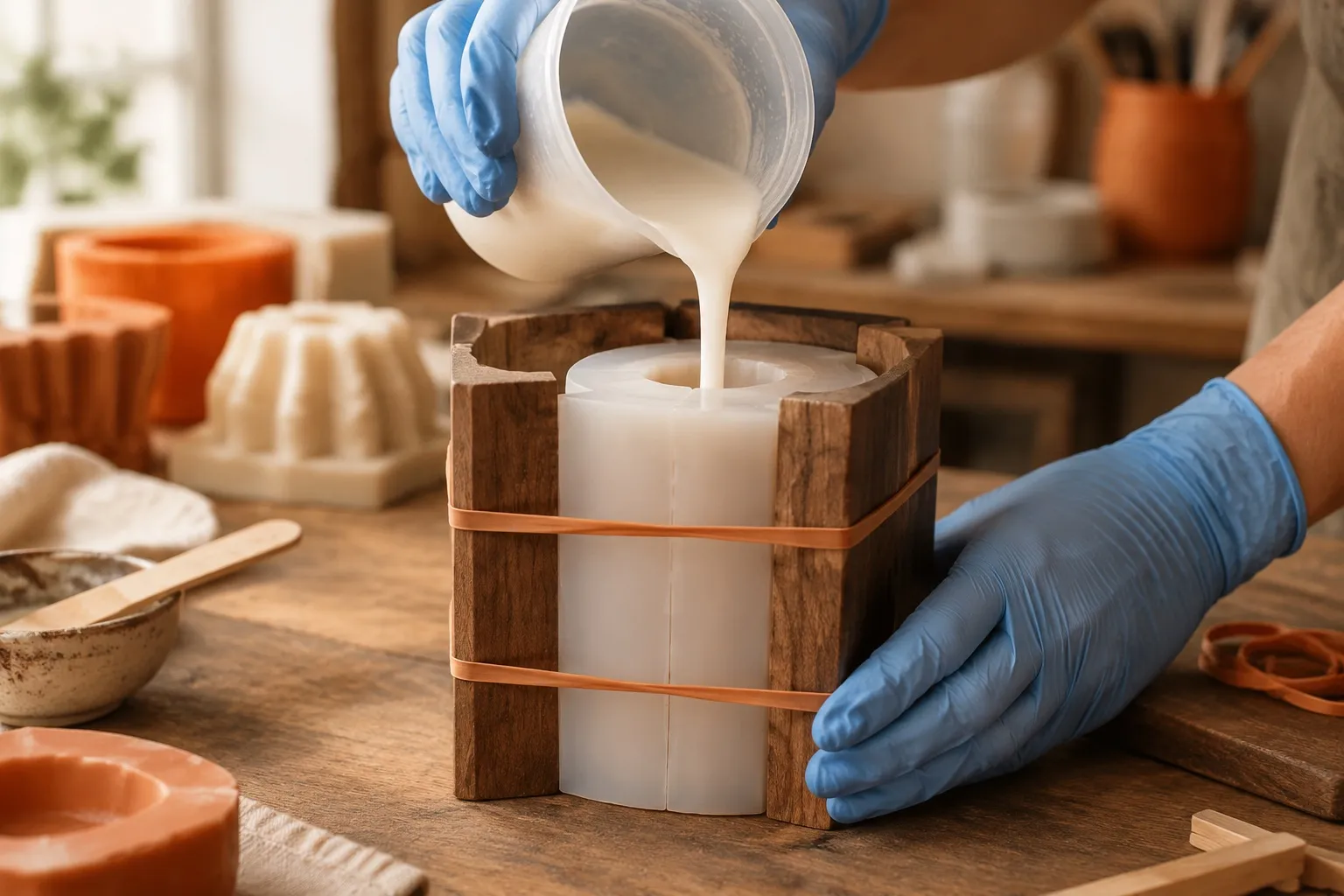
A custom resin statue moves through four decisions before it becomes a production run: the design must be clear enough to sculpt, the master must be practical to reproduce, the painted sample must define the approved appearance, and the production pieces must be inspected and packed for shipment. For this factory, artwork to a first sample normally takes about 20–30 days, before any additional revision and approval time. The factory’s reported production estimate is about 50 days, excluding sampling. Treat that as a reference rather than a fixed production time and confirm the schedule for the quoted scope and quantity; a schedule near 30 days may be possible only in special cases.
The process can start with 2D art, a rough sketch or an STL or OBJ file. A polished 3D model is useful, but it is not a requirement. The real requirement is enough information to make deliberate choices about shape, pose, surfaces, colour and presentation before repeat production begins.
1. Turn the character art into a production brief
The first job is to remove ambiguity from the design. An attractive illustration may hide the back of a costume, the way a hand meets a prop or how a floating element is supported. Those questions become physical engineering decisions in a statue.
A useful brief includes the clearest artwork available, the intended display size, quantity per design, target delivery window and destination market. Add front, side and back views when possible. Call out small but important elements such as facial expression, surface texture, logos, translucent-looking areas and the relationship between the figure and its base.
Also identify which reference is authoritative. If a character sheet and a dramatic illustration disagree, the sculptor needs to know which one governs proportions and costume details.
The design must be original or properly licensed. Ownership of artwork, a physical sample or a 3D file does not automatically establish every right needed for commercial production. Before requesting a quote, confirm that the intended character, artwork, marks and product use are within your rights. See the site’s IP policy for the project’s production boundary.
2. Choose the master-making route
The master is the physical or digital source from which the reproducible statue is developed. Depending on the product, the factory uses either hand clay sculpting or digital modelling followed by 3D printing. Neither route is automatically better for every design.
Hand sculpting can suit forms where direct surface work matters. Digital sculpting can make symmetry and controlled revisions easier. Agree the route during review based on the character, finish and production needs.
If you already have an STL or OBJ file, send it with the original visual references. A visually finished model may still need production-oriented adjustments. Thin projections, deep undercuts, hidden joins or an unstable centre of gravity can make a piece difficult to reproduce, assemble or pack. These are normal design-for-production questions, not signs that the creative design has failed.
The sculpting stage is normally estimated at 10–15 days. The exact pace depends on detail and the sculptor’s current workload. Build review time into your own calendar: a delayed approval can move the next stage even when the workshop time remains unchanged.
3. Plan how the statue will be reproduced
Before moulding, the master is assessed as a manufactured object. A statue may need to be divided where its pose or geometry would otherwise make reproduction difficult. The placement of joins affects the visible finish, assembly work, moulding approach and packing layout. A simple silhouette may need fewer interventions than a design with extended limbs, layered clothing or separate props.
Any proposed separation should preserve the intended silhouette and place visible seams acceptably.
This is also the point to resolve fragile details. A narrow accessory might be thickened, supported or repositioned. A sharp point might need a practical adjustment. Make these choices against the approved artwork and intended display experience rather than allowing them to emerge during bulk production.
4. Make the first casting and paint trial
Once the master is ready, the next stage covers mould preparation, the first blank casting and paint trials. For this factory, that stage normally takes another 10–15 days. Together with sculpting, the expected artwork-to-first-sample window is about 20–30 days. Buyer review, revisions, and final approval can add time after that first sample.
The sample is where the project becomes concrete. Review the physical result as a production reference, not only as a piece of art. Check the silhouette from several angles, facial expression, balance, joins, surface quality and how fine details read at the finished scale. Then review the paint application: colour relationships, edge control, shading, metallic or aged effects when specified, and consistency with the approved concept.
Record feedback precisely. “The face feels wrong” is hard to act on; “raise the upper eyelid and reduce the shadow beneath the cheek” gives the production team a direction. Consolidate comments and mark the relevant areas on images.
Do not approve the sample with unresolved “we can fix it later” notes. The approval record should state what bulk production is expected to match. Keep a written record of approved design and colour decisions so that the creator and manufacturer are comparing the same reference.
5. Confirm the run before production starts
The factory’s standard MOQ is 300 pieces. Runs from 100 pieces can be considered at a higher unit price. Smaller runs do not eliminate sculpting, sampling and production setup, so those costs are spread across fewer saleable units. When a project includes multiple designs, sizes, or paint versions, ask the quotation to state how the MOQ applies to each item and whether any quantities can be combined.
Before authorising production, confirm the exact design version, quantity, approved sample, packaging scope, inspection expectations and delivery terms in writing. If testing is required for the destination or sales channel, define the requested test and who will coordinate it. The factory can arrange buyer-requested testing, and the testing fee is paid by the buyer.
Calling a piece an “adult collectible” is a market-positioning choice, not a blanket exemption from legal or marketplace requirements. In the United States, the CPSC’s children’s-product guidance shows why classification depends on more than a label. Requirements can depend on product design, intended users, claims, packaging, materials, market and sales channel. Buyers should verify the applicable rules with qualified specialists or the relevant authorities for their destination.
6. Cast, finish and paint the production pieces
During production, resin pieces are typically cast, removed from their moulds, cleaned and prepared for finishing. Depending on the design, components may then be fitted or assembled before or after painting. These are general production steps illustrated by references such as this detailed resin casting tutorial; it does not document this factory’s mould materials or exact sequence.
Hand-applied paint makes the approved sample especially important. It gives the painters a visible reference for colour placement and finish. Areas with gradients, weathering, fine facial work or metallic effects generally require clearer references than large flat-colour areas. If a feature is commercially critical, identify it during sampling so it can be treated as a review priority.
The factory’s reported production estimate is about 50 days, excluding sampling. This is a planning reference, not a fixed lead time for every run. A schedule near 30 days may sometimes be possible in special circumstances, but it is not a standing rush promise. Scope, quantity and the requested date must be checked before a schedule is confirmed.
7. Inspect and pack the finished run
Finished goods receive a dedicated pre-shipment inspection. The inspection should be tied to the approved sample and the order requirements: correct design, paint placement, assembly, visible surface condition, quantity and packaging. A collectible can look acceptable at a distance while still having a distracting face detail or an insecure accessory, so the review priorities should reflect what matters to the buyer and collector.
Packaging can be customised. Plan it alongside the statue rather than after production, because the figure’s pose, separate components and delicate points affect how it should be held. The brief should cover the desired customer experience, artwork and marks the buyer is authorised to use, protection needs and any destination-specific information that must appear on the pack.
Inspection reduces risk, but it should not be described as a guarantee that every handmade piece will be visually identical. Agree on what constitutes an acceptable production variation and how nonconforming pieces will be handled before shipment.
What to send for a useful first review
To begin, send the best available 2D art or STL/OBJ file, target size, quantity per design, required date, destination market and packaging aim. Include proof that the design is original or that you are authorised to produce it. For a crowdfunding or retail launch, identify the fixed date.
That information allows the factory to identify missing references, recommend a master-making route and separate confirmed timing from assumptions. Review the custom resin statue service and the full production workflow, then use the quote request to submit the project details.
Frequently asked questions
▸Can a custom resin statue be made from one 2D illustration?
Yes. A sculptor can begin with a single illustration or rough sketch. Front, side and back views plus notes on pose, expression, colours and accessories reduce guesswork.
▸Which 3D file formats can you accept for a custom statue?
STL and OBJ files are accepted. Send the source art too, so the team can check proportions, character details and the intended finish against the geometry.
▸How long does it take to make the first painted sample?
The factory estimates about 20–30 days from artwork to a first sample: 10–15 days for sculpting and another 10–15 for mould preparation, the first casting and paint trials. Revisions, buyer review and final approval take additional time.
▸What is the minimum order for custom resin statues?
The factory's standard MOQ is 300 pieces. Orders from 100 pieces can be considered at a higher unit price. For multiple designs, sizes or paint versions, ask how the MOQ applies and whether quantities can be combined.
▸Does calling a statue an adult collectible remove product-safety obligations?
No. Adult-collectible positioning does not automatically remove applicable labelling, import, testing or product-safety duties. The buyer should confirm requirements for the product and destination and pay for buyer-requested testing.
Sources
- Children's Products — accessed 2026-10-22
- How To Make a Silicone Mold of a 3D Printed Part and Casting a Detailed Resin Training Skeleton (general casting reference) — accessed 2026-10-22
Related guides
-
Licensing checklist before you produce a figure of a character
A practical rights and approval checklist for creators preparing an original or licensed character for resin figure production.
-
Custom resin figure MOQ and cost: what you pay for and why small runs cost more
Understand resin figure MOQ, development charges, unit-cost drivers, and how to compare quotes for a small collectible run.